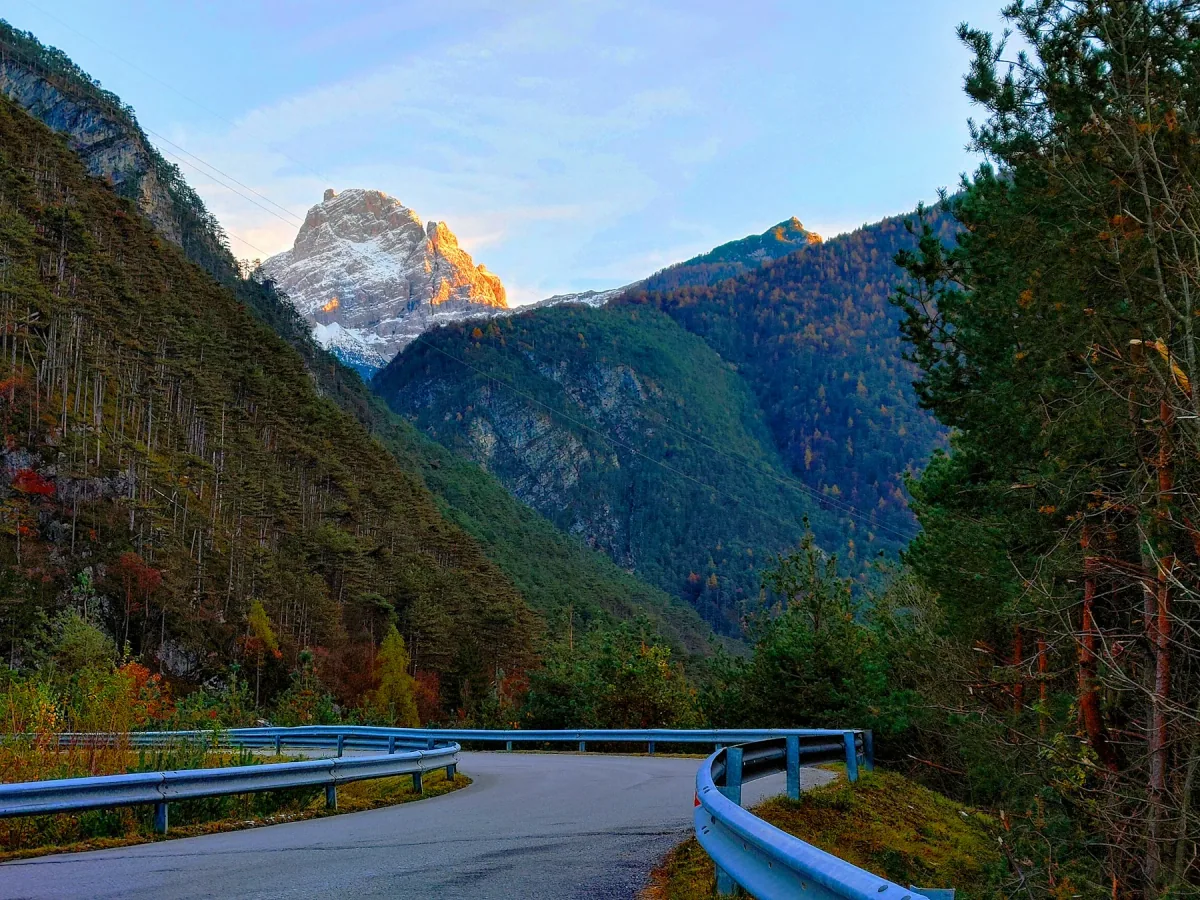
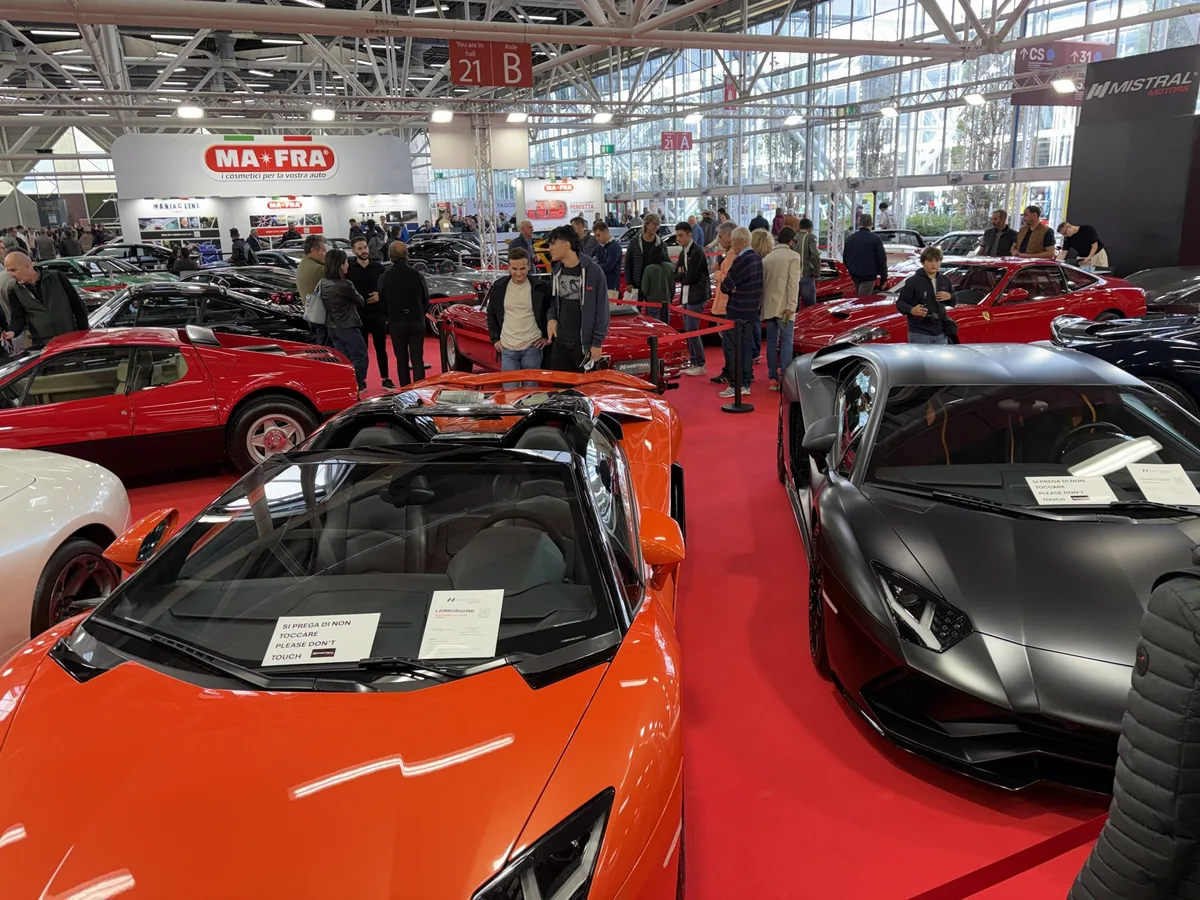
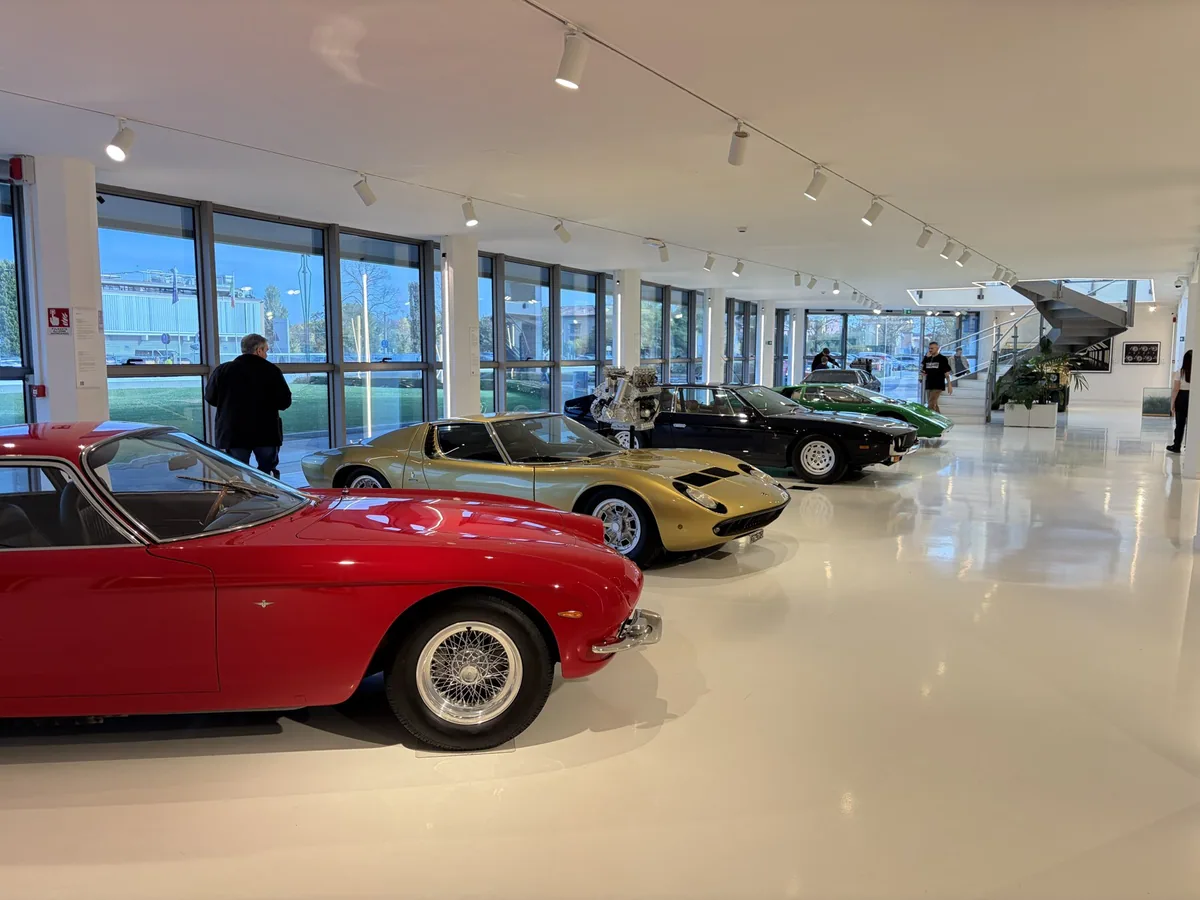
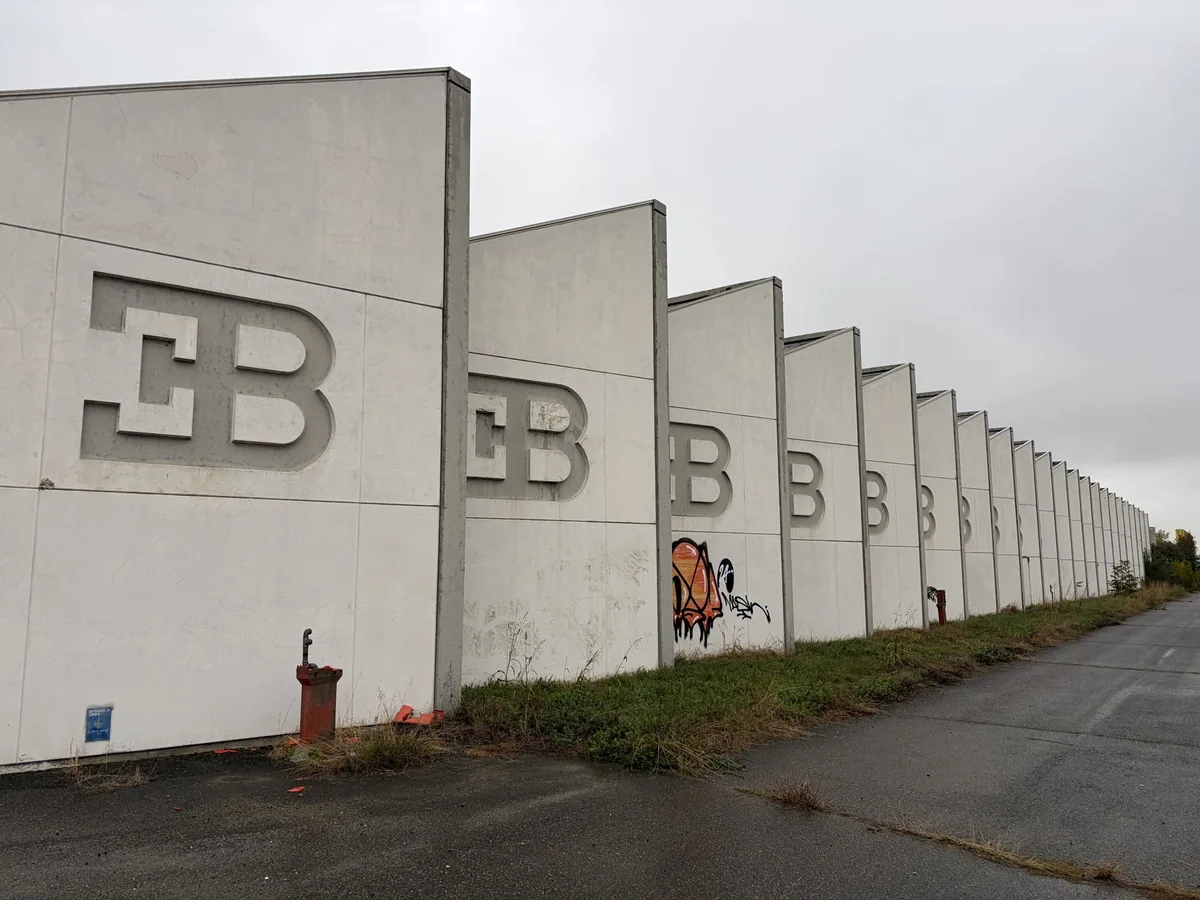
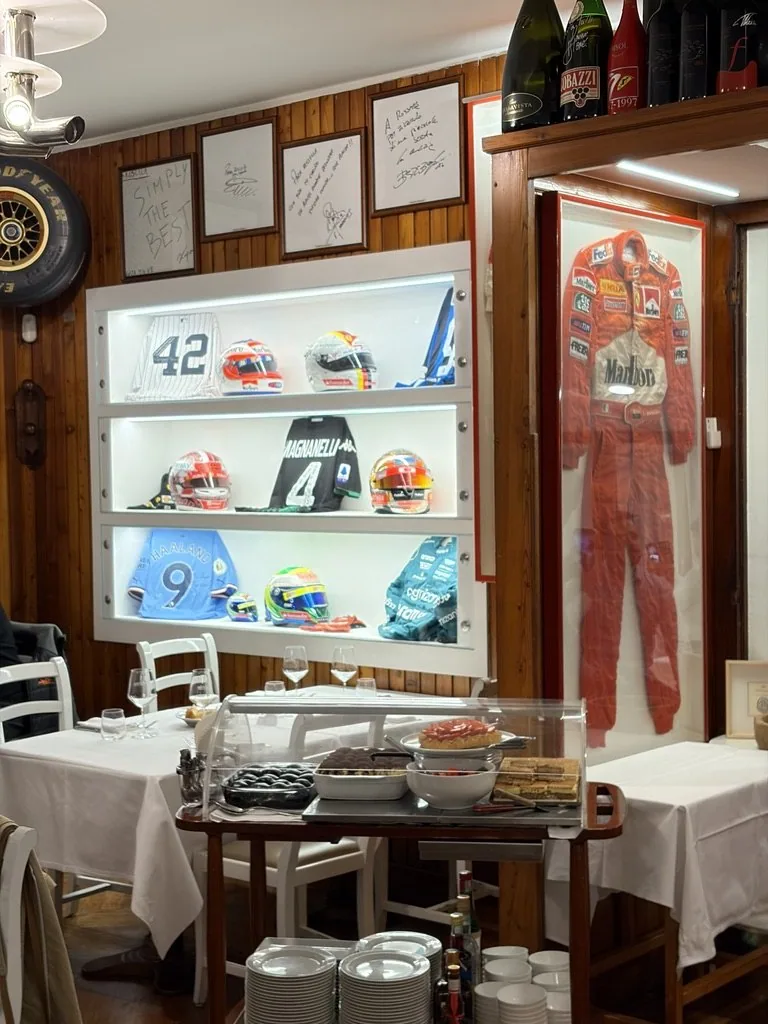
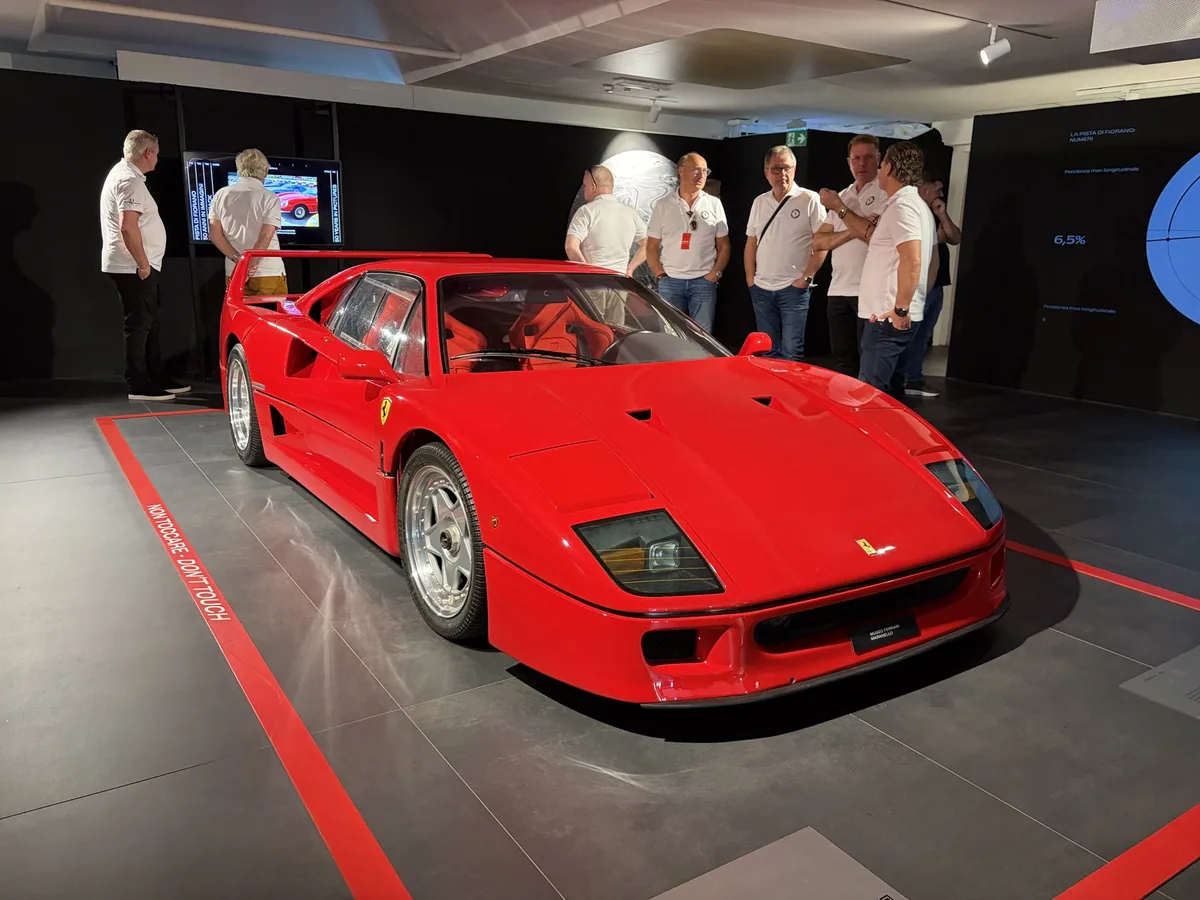
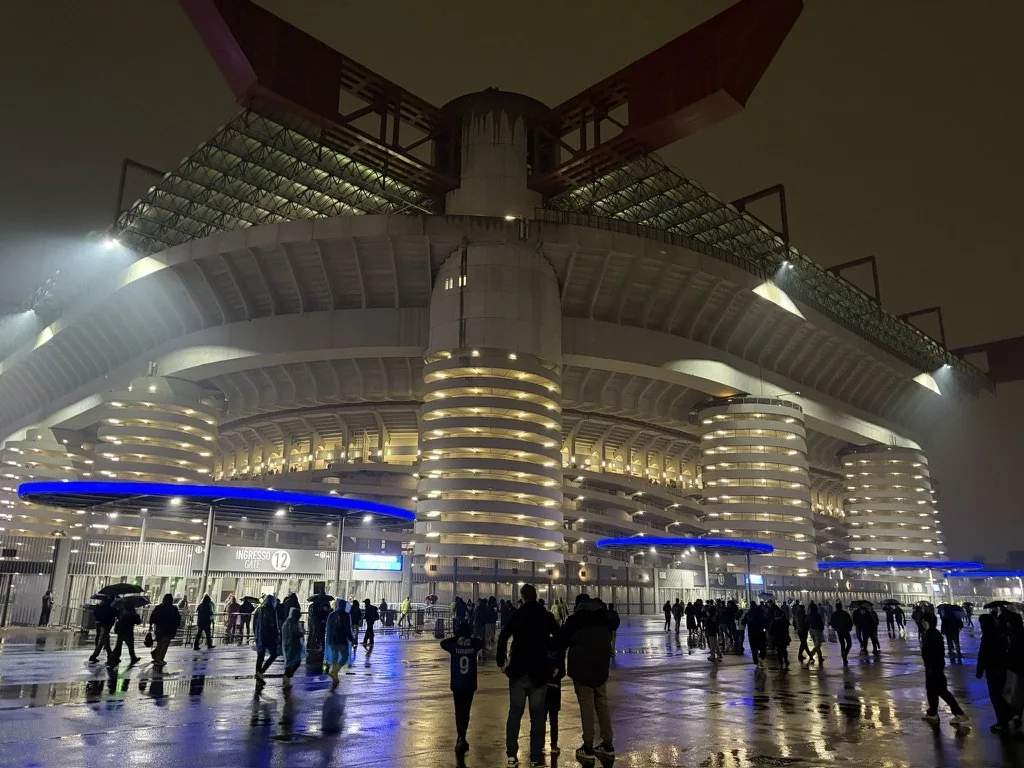
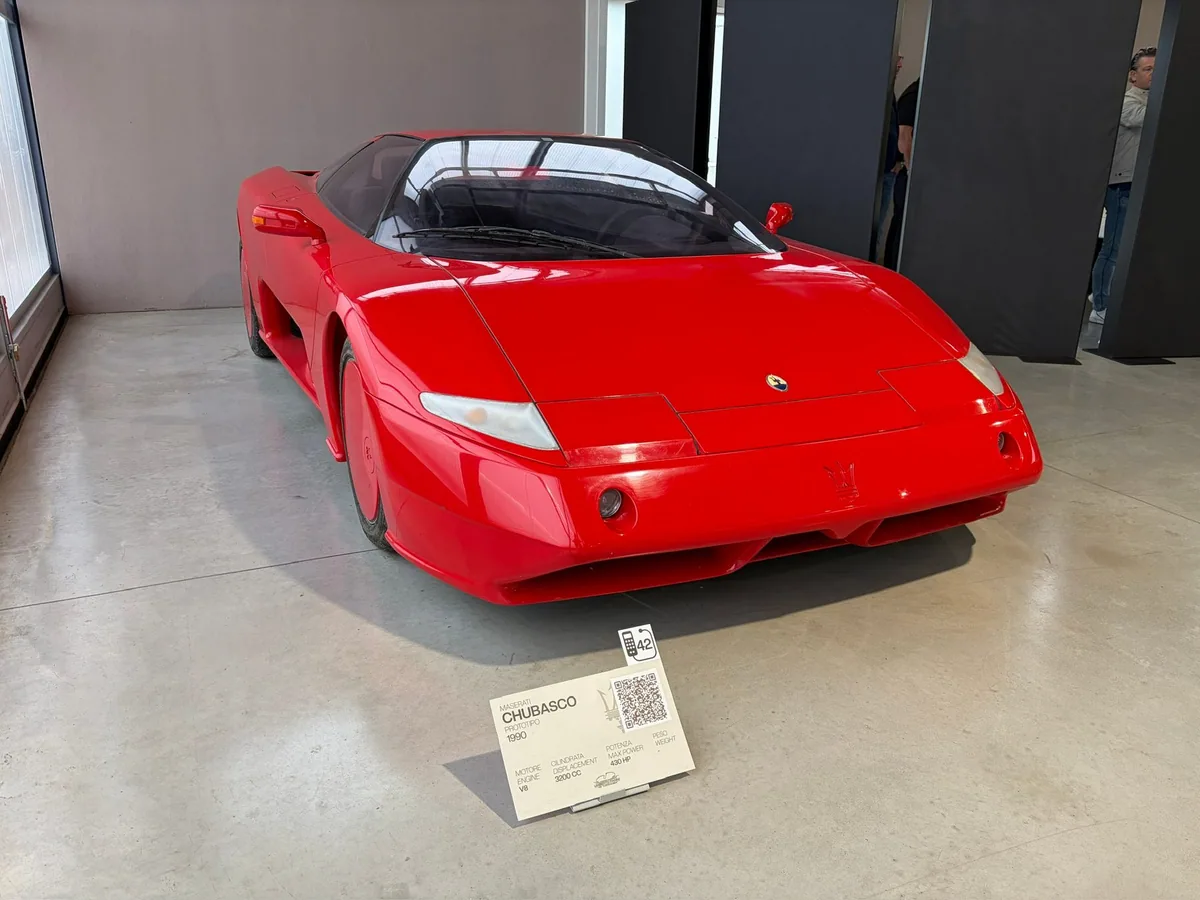
Your Italian road trip might begin with a flight to Bologna, a rental car collected in Milan, or an Alpine drive south from Munich. Arriving with your own car is another way to make the journey part of the holiday. Start by choosing how you want to reach Italy and what you want to drive once you get there.
Italy can give a road trip several different lives. A morning in the mountains, an afternoon among vineyards, an evening walking out to dinner. A few days around the factories and museums of Emilia-Romagna can lead naturally into quieter days in the countryside. The pleasure comes from how those experiences fit together.
For a driver, the useful preparation often concerns small things: where the hotel garage opens, when the kitchen closes, whether tomorrow's pass is accessible. Sort those out and you can give your attention to the places you came to see.
This is Piloti's introduction to travelling through Italy with a car: choosing a pace, understanding the practicalities and enjoying the culture around the journey. The regional examples concentrate on the mainland, from the Alps to Puglia.
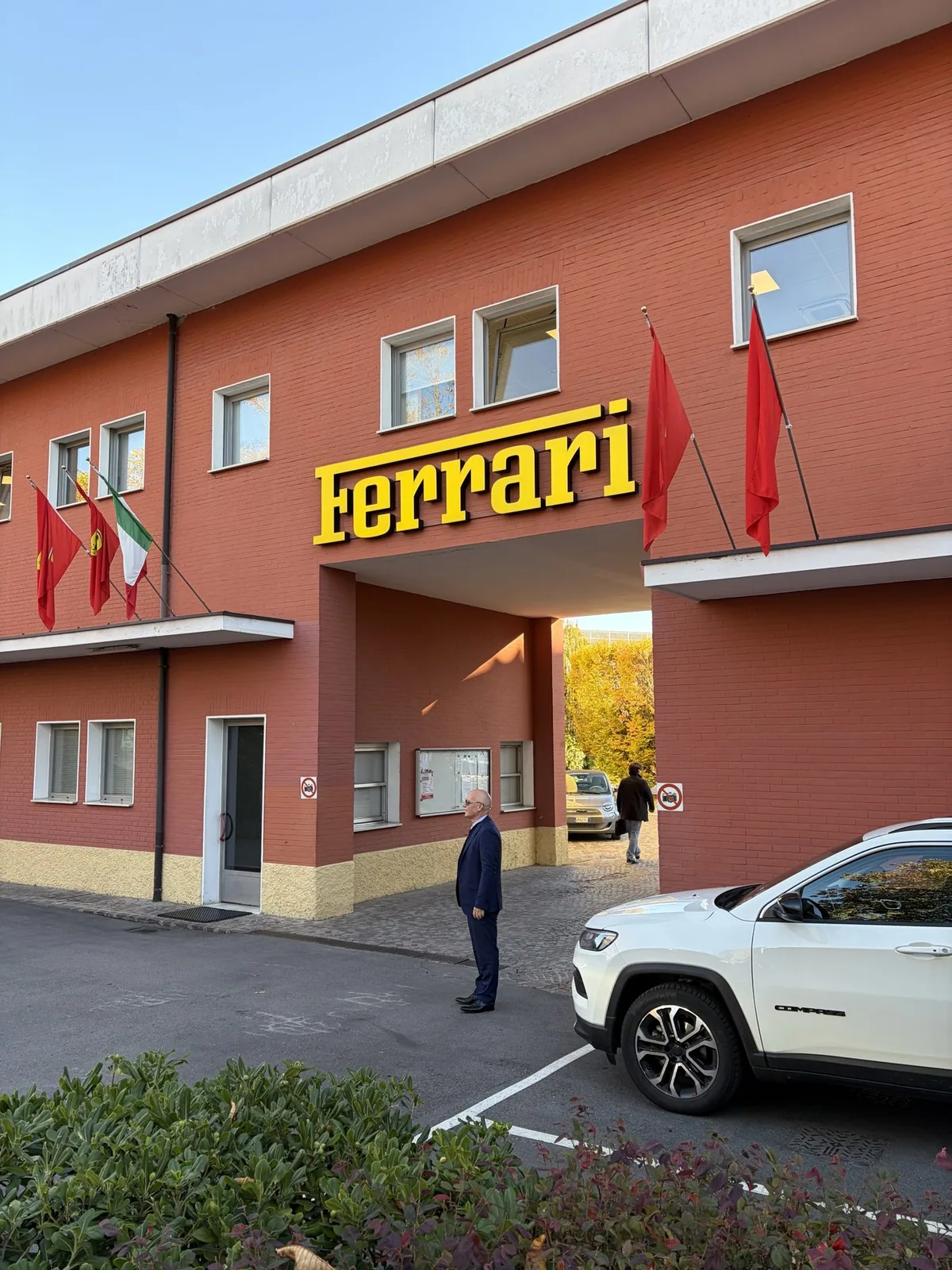
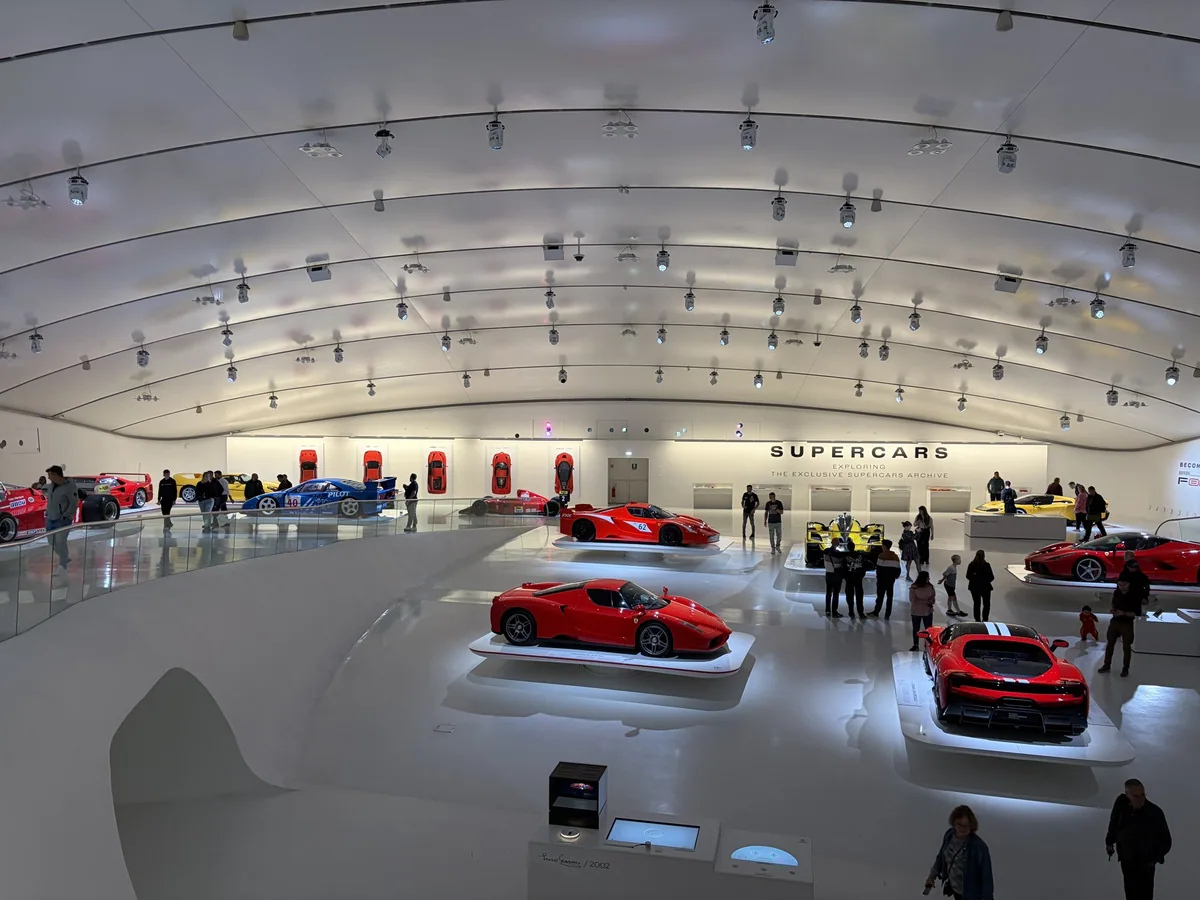
The Alps and Motor Valley give this journey its centre of gravity. From there, the road can lead into the vineyards, cities and coastlines that make you want to stay longer.
01 / Italy
Italy at a glance
| Decision | Piloti's starting point |
|---|---|
| Arrival | Compare flights and the actual rental offer together; consider Munich for an Alpine approach. |
| Shape of the trip | Choose a small number of neighbouring areas and spend enough time in each to settle in. |
| Daily rhythm | One main drive or visit, time for lunch, and an arrival that leaves room for the evening. |
| Accommodation | Confirm the actual approach and parking before committing to a hotel. |
| Booking | Reserve the experiences that matter most; leave gaps between them. |
| Cities | Arrange parking first, then explore on foot or by local transport. |
| Food | Follow the region, understand the menu and order to suit your appetite. |
| Wine | Arrange a driver or finish driving before the tasting begins. |
| Mindset | Be curious, courteous and willing to change the day's plan. |
02 / Italy
Getting here and choosing the car
An Italian road trip can begin at your own front door, at an Italian airport or on the northern side of the Alps. Choose the arrival point and the car together: a convenient flight is only half the answer if the car you want is unavailable there.
Flying directly into Italy lets you begin the driving wherever the flights, car and itinerary come together best. A single arrival airport can open up a journey through several regions. Bringing your own car makes sense when the drive south is part of the holiday. Flying to Munich and renting there gives you a third possibility: find a car that suits the journey, then travel through the Alps into Italy.
Ten major airports to start from
Italy has flight connections to many cities, giving you considerable freedom over where the driving begins. These are its ten busiest airports by total passenger traffic in 2025, ordered by size. Use them as options when comparing flights and rental cars. Assaeroporti's full-year airport statistics.
| Airport | Code |
|---|---|
| Rome Fiumicino | FCO |
| Milan Malpensa | MXP |
| Bergamo Orio al Serio | BGY |
| Naples Capodichino | NAP |
| Catania Fontanarossa | CTA |
| Venice Marco Polo | VCE |
| Bologna Guglielmo Marconi | BLQ |
| Milan Linate | LIN |
| Palermo Falcone Borsellino | PMO |
| Bari Karol Wojtyła | BRI |
Also include Florence (FLR), Pisa (PSA), Turin (TRN), Verona (VRN), Olbia (OLB) and Cagliari (CAG) in your search when their flights work for you. An arrival airport is the beginning of the route: you can shape the journey in several directions from there.
Milan opens up the map
Milan Linate (LIN) and Milan Malpensa (MXP) both make excellent starting points for a much wider journey. Linate is close to central Milan, making it especially convenient if you want to spend time in the city before collecting the car. Its M4 metro connection reaches San Babila in about 12 minutes. ATM's official M4 information.
From either airport, you can build a trip north towards the Alps, west through Piedmont towards the French mountains, southwest towards Liguria and the French Riviera, or southeast through Motor Valley and onwards to Tuscany. Choose between Linate and Malpensa according to the flights, the rental offer and whether you want a stay in Milan at the beginning.
Bergamo Orio al Serio (BGY) is another airport to compare in the wider area. It is often marketed as Milan Bergamo; check the code so you know where you will actually collect the car. Official visitor information on the airports serving Milan.
Think in driving stages
In northern Italy, a couple of hours on the motorway can take you well beyond the area where you landed and open up a different part of the trip. Keep the search broad: a better flight or the right rental car may comfortably justify some extra driving at the beginning. You can combine several regions while keeping the individual stages enjoyable.
Compare arrival times, baggage, rental desk hours and the first drive together. Allow for traffic around cities and the slower pace of mountain and coastal roads when turning the outline into a daily plan. Direct flights depend on your departure city and season.
If you begin with a few days in Rome, Venice or another city, consider collecting the car when you leave. That can save rental days and parking while letting the driving holiday begin with the open road. After a tiring flight, give yourself a short first stage or an overnight stop before a demanding drive.
Find the car before you commit to the flights
Italy's rental market gives you several approaches: an airport car for the whole holiday, a specialist sports-car rental, or a practical everyday car with a separate supercar experience along the way.
Companies such as SIXT are worth checking for premium cars, convertibles and sports-car options at major airports. SIXT has branches at locations including Malpensa, Fiumicino and Bologna; the available car categories depend on the branch and dates. Start with its Italian airport locations and inspect the actual offers for your trip. Its Italian rental conditions include dedicated Sports & Luxury categories.
Price and availability can be the awkward part. A fleet photograph is an invitation to search. A confirmed booking must tell you what you are actually reserving. “Or similar” means a category, and the substitute may feel very different from the car you pictured. Where SIXT explicitly offers a guaranteed model, wait for the branch's confirmation. Its explanation of categories and guaranteed models sets out the distinction.
Compare the total for the whole rental, including mileage, protection, additional drivers, deposits, border charges and any delivery or one-way fee. Confirm age and licence requirements for the exact category. If the model is central to the holiday, contact the branch or a specialist before buying inflexible flights.
Bringing your own car
If the car in your garage is the one you want to take, plan the journey south as part of the holiday. Allow overnight stops that suit your starting point, confirm insurance and assistance across the transit countries, and check tolls and seasonal equipment for the chosen crossing. Keep the first Italian day light enough to enjoy arriving.
03 / Italy
Landscapes, seasons and the journey
Choose the Italy you want to experience
Start with the reason for the journey. Mountain driving, car culture, long lunches and time by the sea ask for different routes. Decide which matters most before connecting places on a map.
The regions below provide a useful starting vocabulary. They are broad introductions; individual roads and destinations need their own planning.
| Area | What shapes the experience | What it means for your trip |
|---|---|---|
| South Tyrol, Trentino and the Dolomites | Mountain landscapes, passes and a strong Alpine influence | Build flexibility around altitude and weather. Have a lower route available. |
| Veneto | Verona, Venice, Valpolicella and the Prosecco hills | Combine city time with countryside; separate wine tasting from driving. |
| The northern lakes | Waterfront towns, villas and roads constrained by the shoreline | Leave time for slow sections and choose a base with straightforward parking. |
| Piedmont | Turin's automotive heritage, the Langhe hills and a strong food and wine culture | Allow proper time at the table and consider staying several nights in one area. |
| Emilia-Romagna | Motor Valley, working manufacturing towns and generous regional cooking | Organise the day around confirmed visits. Factor in check-in and travel between sites. |
| Liguria | Coastal towns, steep terrain and a narrow strip between mountains and sea | Look carefully at the final approach; plan some days around walking, trains or boats. |
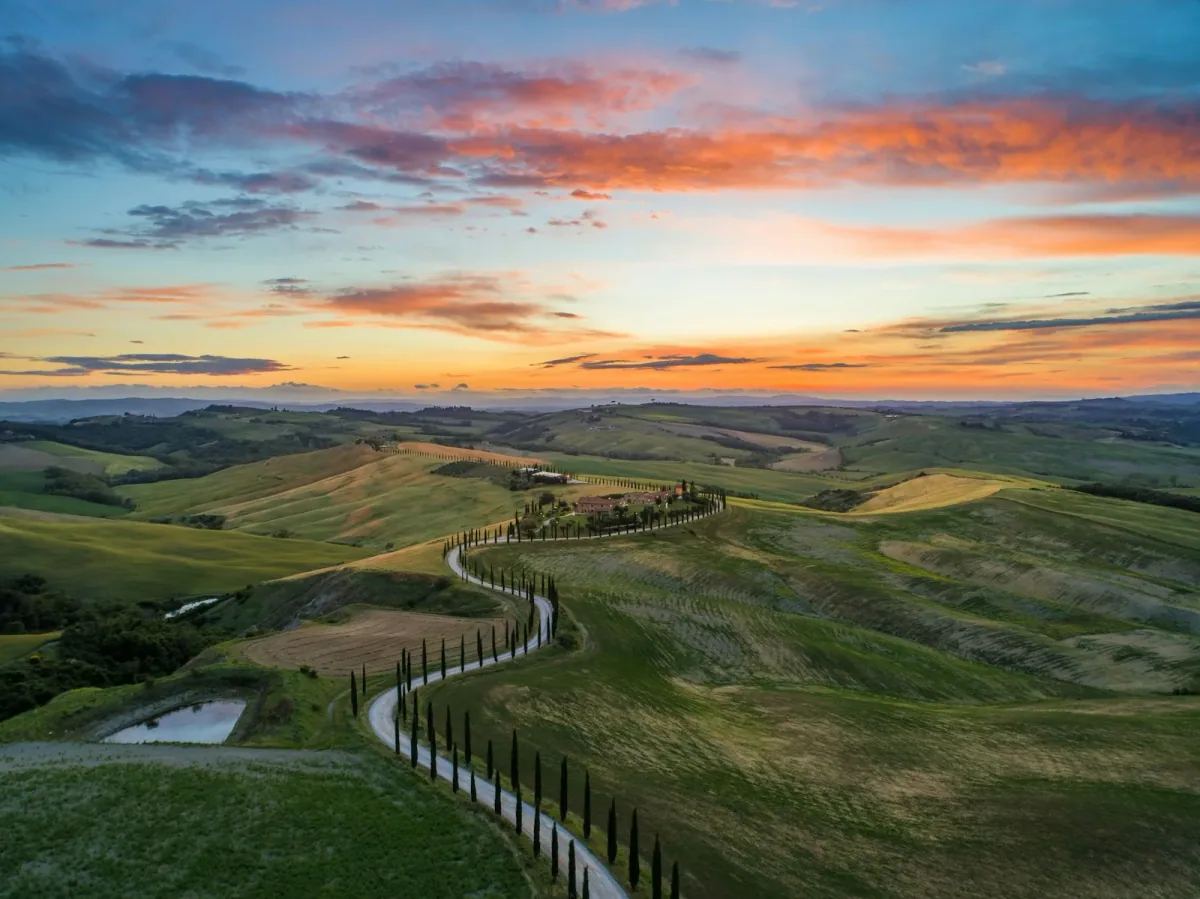
| Tuscany | Hill towns, countryside, art cities and wine districts | Alternate driving with time out of the car. Check access to historic centres. |
| Campania, Basilicata and Puglia | Coastal scenery, inland landscapes, historic towns and distinct southern food traditions | Give the south its own share of the holiday rather than treating it as an extra overnight stop. |
Rome and Lazio, Umbria, the Adriatic regions, Calabria, Sicily and Sardinia also deserve room in an Italian journey. For this first guide, the practical principles apply nationally while detailed route coverage follows the areas above. An island journey needs a separate decision about flying and hiring or taking your car by ferry.
Match the season to the landscape
There is no single best month for the whole country. A date that suits an evening outdoors in Tuscany may be unsuitable for a high Alpine pass.
For a trip centred on towns, countryside and food, spring or early autumn is a useful starting point. For a trip centred on high mountain roads, make confirmed access the deciding factor. An autumn itinerary should have a worthwhile alternative at lower altitude before departure.
Summer calls for more attention to heat, busy destinations and the availability of accommodation. In cooler months, pay particular attention to daylight, seasonal closures and whether a rural hotel actually serves dinner on the night you arrive. A room reservation does not answer that last question.
Use the national tourism board's seasonal travel ideas to explore possibilities, then check the forecast, road operator and individual businesses for your dates. A seasonal description cannot confirm that a particular pass is open.
Give the journey a workable rhythm
Choose your overnight bases before adding every possible stop. Staying two or three nights somewhere can create a much more relaxed holiday: unpack, take a local drive and return without another check-in. Treat that as a planning option, not a minimum stay everywhere.
Build each day around one main commitment. It might be a museum appointment, a mountain drive or a long lunch. Add other stops only after allowing for parking, walking, fuel and delays.
A short distance on a map can contain a surprising amount of work. Curves, villages, narrow streets and the search for a garage all consume time. Use the navigator's estimate as the driving component of the day, then add the time you actually want to spend outside the car.
An illustrative day might run like this:
- Breakfast and a check of the weather and route.
- A morning drive with a proper coffee stop.
- Lunch before continuing to one afternoon destination.
- Hotel arrival with enough daylight to find the entrance calmly.
- A walk, aperitivo and dinner.
On a long transfer day, reduce the sightseeing. On a day with several hours at the table, reduce the driving. Both can be excellent days when planned honestly.
What to book first
Reserve small hotels with suitable parking, essential museum or factory appointments, special meals and travel tied to an event. Confirm precisely what each booking includes: a museum, a factory perimeter tour and access to a production line are different experiences.
Leave some coffees, walks and lunches open. Flexibility is easiest to enjoy when you already know where the day can reasonably end.
04 / Italy
Life on the road
Understand city access before you arrive
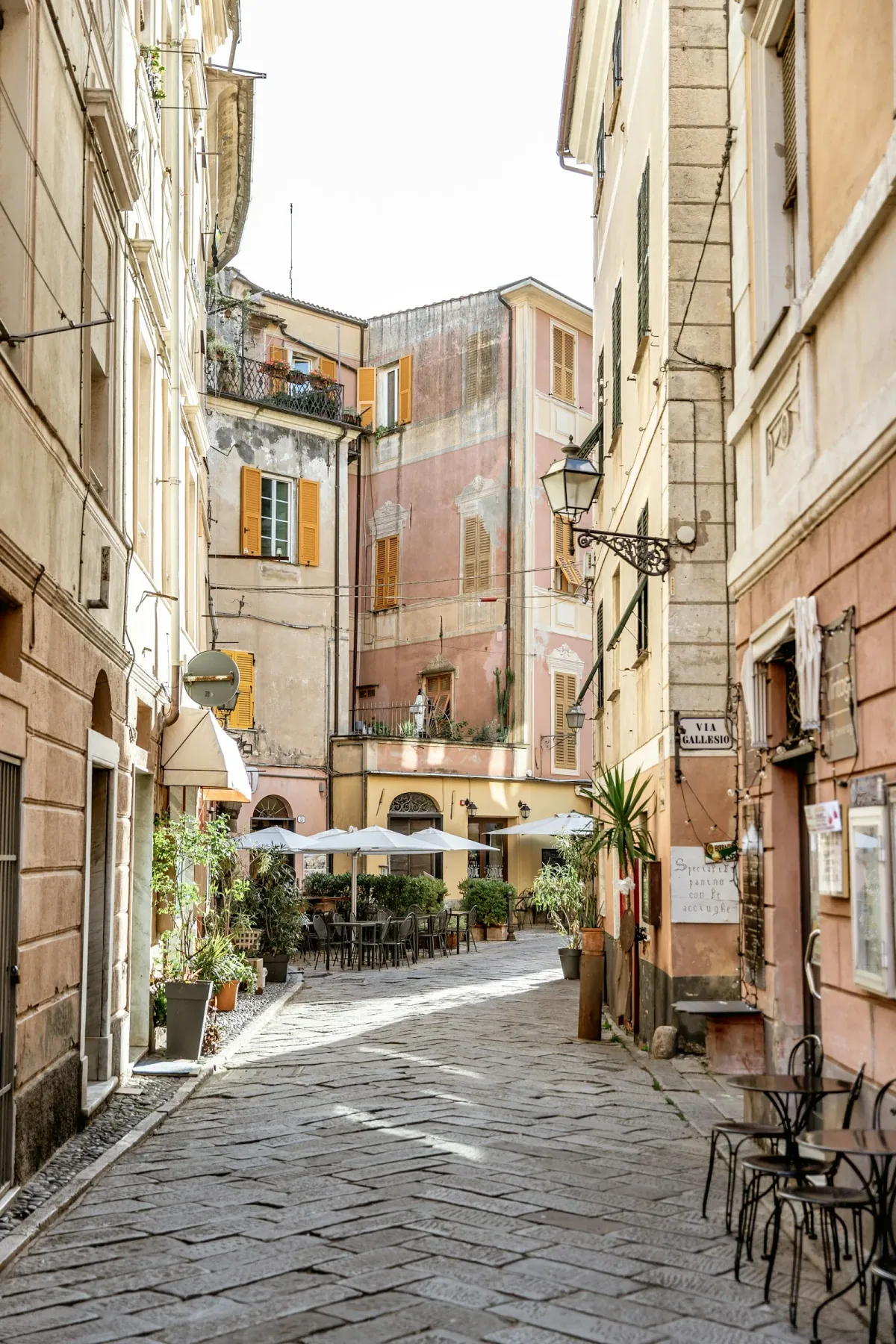
ZTL means zona a traffico limitato: an area with restricted vehicle access. Rules depend on the city, zone, time and vehicle. A route offered by your navigation app does not establish permission to enter. Italy's official driving guidance explains the basic distinction.
Ask a hotel inside a restricted area for the permitted approach, the process for your registration number and where to park. Get this information before reaching the entrance. In Florence, for example, the municipal tourism service specifically advises advance contact with the hotel or garage and transmission of the vehicle details. That is a local procedure, not a nationwide permission for hotel guests. See Florence's official access guidance.
Check environmental restrictions separately. Permission associated with a hotel should not be assumed to cover every other restriction on the approach.
For a day visit, parking outside the historic centre can simplify the experience considerably. Save the garage entrance as your destination, then continue into town. Read the signs at the actual parking space for payment, permitted users and time restrictions.
Drive with attention and leave room
Italian driving conditions vary enormously. A busy urban junction, an Alpine hairpin and an open motorway demand different kinds of attention. Expect scooters and motorcycles around city traffic, cyclists on scenic roads and pedestrians near the places you want to visit.
Keep your decisions predictable. Check mirrors, leave space and slow down early when the view closes. If someone behind wants to travel faster, let them pass when it is safe. Your own pace should leave time to respond to what you can see.
On narrow roads, a good view through the next bend is worth more than momentum. Keep room for an oncoming vehicle and use proper stopping places for photographs. Through villages, make the car a considerate guest: quiet departures and clear pavements matter.
On motorways, keep right when appropriate and move out to overtake. Follow posted limits and temporary restrictions. Tutor measures average speed between points; slowing only at a camera does not address how the system works. See Autostrade per l'Italia's Tutor explanation.
In the mountains, assess conditions along the route, including at altitude. Wet surfaces, shade and changing weather can alter a drive quickly. Follow your car's instructions for long descents and respond to warning signs from tyres or brakes. If the road or weather no longer suits the car, take the alternative you planned.
Make tolls and fuel routine
Many motorway journeys use an entry ticket and payment at the exit. Keep the ticket accessible and choose a lane displaying your payment method. Dedicated electronic toll lanes require an active compatible service. If hiring, ask the rental company exactly what is enabled and how charges are handled. Autostrade per l'Italia explains its payment lanes and accepted electronic services.
Some roads use barrier-free tolling. No toll booth does not mean no charge. Pedemontana Lombarda, for example, records passages electronically; its published rules require manual payment within the following 15 consecutive calendar days when an automatic payment arrangement does not apply. Check the operator for the road you actually use. Pedemontana's payment FAQ.
If a barrier or payment machine causes a problem, use its assistance system and follow the operator's instructions. Keep any unpaid-toll slip so you can resolve it through the official service.
For fuel, use the specification required by your car. Locate suitable stations before a remote drive and refill while you have a convenient option. At the pump, check the fuel label, displayed price and whether you are choosing self-service or attended service.
If travelling electrically, identify a primary charger and an alternative. Confirm hotel charging directly rather than treating a booking filter as a reservation.
05 / Italy
Staying and booking well
A beautiful room is only part of a good base. Consider how you arrive, where the car stays and how you reach dinner.
A central hotel can make the evening wonderfully easy. A countryside property can offer space and a calmer approach. Either can become inconvenient if its parking or restaurant arrangements do not suit the trip.
For a low or wide car, ask specific questions:
- Is the space on the property, in a separate garage or on the street?
- Can a place be reserved for your dates?
- What are the narrowest entrance and the tightest turn?
- Are there steep ramps, abrupt changes of gradient, gravel or raised thresholds?
- Must you hand over the keys, and who moves the car?
- Is charging available, compatible and reservable if you need it?
- Can you walk to dinner, or should you arrange a transfer?
Send the model and dimensions. Ask for a photograph of the entrance if the answer is vague. A front lift helps with some obstacles; it does not make every ramp suitable.
The same care applies to an agriturismo or a masseria. Read the individual property's description, check the approach and confirm meals. The name alone does not tell you the level of service or how easily your car will reach the courtyard.
06 / Italy
Food, drink and everyday life
Settle into the meal times
Plan lunch as part of the day. A useful starting window is 12:30–14:30, with dinner service commonly beginning around 19:30. These are orientation points: kitchens vary by place, season and day of the week. Italy's official guide to customary opening and meal times.
If a particular meal matters, check the kitchen's hours and book. Arriving late after a mountain drive is a poor moment to discover that service has ended. A bar, bakery or casual food stop may offer an alternative between meals, but check what is available locally.
Give a long lunch room in the schedule. If you have an appointment afterwards, tell the restaurant at the beginning. Otherwise, allow the meal to find its pace.
Read the menu with confidence
The traditional sequence helps you understand what the kitchen is offering. You can choose the parts that suit your appetite; an ordinary à la carte dinner does not require every course.
| Menu heading | What it means | How to use it |
|---|---|---|
| Antipasti | Starters | Choose one or ask whether a selection works for sharing. |
| Primi | First courses, often pasta, risotto or soup | A primo can be the centre of a lighter meal. |
| Secondi | Main courses, often meat or fish | Check what accompanies the dish. |
| Contorni | Side dishes | Order vegetables or potatoes separately when needed. |
| Dolci | Desserts | Ask about the house or regional speciality. |
Pizza usually works as a meal in its own right. A tasting menu follows the restaurant's stated format, so check the number of courses, price and any whole-table requirement before choosing it.
Pizzeria, trattoria, osteria and ristorante give clues about identity, but they do not form a dependable ladder of price or quality. An osteria can be ambitious and expensive; a pizzeria can take its craft extremely seriously. Look at the actual menu and setting.
For dishes priced by weight, ask what the portion will weigh and what the total is likely to be. Mention allergies and dietary requirements when booking, and confirm them again with the staff before ordering.
Let the region lead the table
Food gives the journey a sense of place. Ask what belongs to the area and what is good that day. Italy's national tourism board describes its food culture through regional specialities and traditions.
A few regional specialities to look for along the way:
- South Tyrol and Trentino: canederli and an Alpine influence on the table.
- Veneto: Valpolicella wines inland, with fish and seafood prominent in Venice.
- Piedmont: dishes connected with the Langhe, truffles in season and wines such as Barolo.
- Emilia-Romagna: fresh egg pasta, tagliatelle al ragù and Modena's balsamic traditions.
- Liguria: focaccia, pesto and trofie alongside coastal seafood.
- Tuscany: substantial meat dishes and the wine areas of Chianti, Montalcino and Bolgheri.
- Campania: Neapolitan pizza, seafood and the lemon traditions of the Amalfi coast.
- Puglia: olive oil, vegetables and the cooking of the surrounding farmland.
These are ways into a menu, not boundaries around it. Ask for a recommendation, say what you enjoy and give a budget when choosing wine. You do not need to know the entire region's producers to order well.
A winery visit belongs in the transport plan. Book a transfer or designate a driver who will not drink. The easiest evening arrangement is often to park at your accommodation and continue on foot.
Coffee, aperitivo and everyday etiquette
An Italian bar can be a morning coffee stop as well as a place for a drink later. A caffè generally means an espresso. Cappuccino is traditionally associated with breakfast; espresso is a familiar finish to a meal. These customs help you recognise the rhythm around you. Order what you enjoy.
Watch the payment routine at the counter or ask the staff. When choosing a terrace table, check the menu for the service and price that apply there.
Aperitivo marks the transition towards dinner. Depending on the venue, drinks may come with a small snack or a more substantial offering. Ask what is included if it is unclear. An alcohol-free drink fits the occasion perfectly well.
At the table, a fork is the conventional tool for long pasta, and cheese is not routinely added to seafood pasta. If unsure about an accompaniment, ask. Interest in the dish makes for a better conversation than worrying about looking experienced.
Greet people before making a request. A little Italian is useful even when the conversation continues in English:
| Italian | English |
|---|---|
| Buongiorno / Buonasera | Good morning or good day / Good evening |
| Per favore / Grazie | Please / Thank you |
| Un tavolo per due, per favore | A table for two, please |
| Il conto, per favore | The bill, please |
| Dov'è il parcheggio? | Where is the car park? |
| Può ripetere, per favore? | Could you repeat that, please? |
When paying, look for coperto and servizio: cover and service charges. Ask about anything unclear. Extra tipping is generally discretionary; let the bill and the service guide your decision. Ask whether to pay at the table or at the till.
Carry that courtesy beyond the restaurant. Follow dress and photography instructions in religious buildings and museums. Ask before making someone the subject of a photograph. Keep hotel entrances and village streets clear while taking pictures of the car.
07 / Italy
Before you go
Prepare the car, then pack lightly
Before departure, check tyres, service needs, the repair kit and the car's requirements for your intended conditions. With a rental, confirm approved drivers, countries, mileage, deposit, insurance excess, breakdown assistance and exclusions such as wheels, tyres and underbody damage. Photograph the car's condition at collection.
Carry your driving licence, vehicle documents and insurance information. Requirements depend on your licence and vehicle's country of origin; check whether an international driving permit or translation is needed. Use Italy's official driving information alongside the rental company's requirements. Check transit countries separately.
Pack soft bags that fit the real luggage space. Bring comfortable walking shoes, a warm layer, rain protection, sun protection, medication, charging cables and water. Check required vehicle equipment and seasonal tyre or chain rules for the roads and dates involved.
Keep an offline copy of the route and accommodation details. Save the hotel's actual parking entrance, your assistance contact and a working payment alternative. Keep valuables out of sight and take essential documents with you when leaving the car.
For an emergency requiring police, fire or medical help, call 112. For an ordinary breakdown, contact your rental or roadside assistance provider. Italy's official emergency guidance.
Before you set off each morning
- Check the weather and status of the roads you intend to use.
- Confirm the main booking and the realistic time needed to reach it.
- Check fuel or charging, and choose a convenient stop.
- Save the evening's permitted approach and parking entrance.
- Keep one alternative for bad weather, delays or a change of mood.
Then give the day some room. Stop for the view when there is somewhere suitable, ask the person serving lunch about the dish, and allow an appealing town more than the time it takes to photograph its square.
A satisfying Italian road trip leaves you with places you have spent time in, meals you remember and roads you enjoyed at your own pace. Plan enough to make that possible.
Something to read before you go
We recommend Peter Ternström's Gran Turismo – The Supercar Owner's Guide to Italy as inspiration for anyone who wants to drive a supercar in Italy. Its mix of roads, cars, places to stay and life around the table makes it an enjoyable way to start imagining the journey. Explore the English edition.